

FMI Ubumuntu wants to create a legacy of hope for more vulnerable and marginalized children and their families, especially in rural areas.
FMI LEGACY
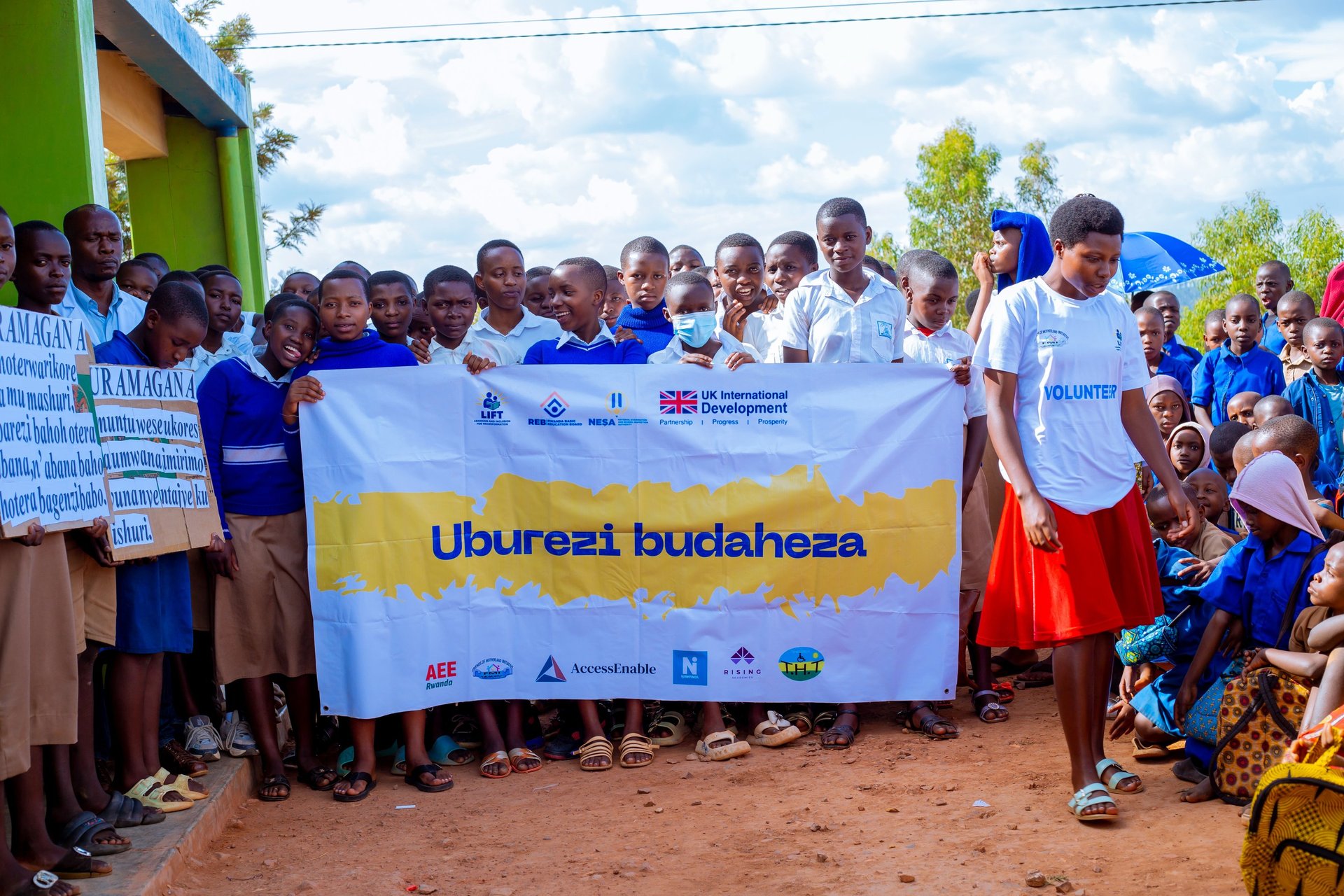
Friends of Motherland Initiative “Ubumuntu” (FMI “Ubumuntu”) is a national non-governmental organization (NGO) dedicated to reducing poverty, advocating for vulnerable groups, and improving the well-being of marginalized communities. The organization promotes inclusive, high-quality formal and informal education for children, empowers youth and women through social and economic development initiatives, and supports climate change adaptation and environmental sustainability programs that strengthen community resilience. The organization also works closely with committed volunteers who play a vital role in facilitating the organization's day-to-day activities and community interventions.
Legally registered in Rwanda by the Rwanda Governance Board (RGB) under Registration No. 910/RGB/NGO/LP/06/2023, the Friends of Motherland Initiative “Ubumuntu” was established in 2021. Its headquarters are located in Higiro Cell, Nyanza Sector, Gisagara District. The organization currently operates in Gisagara and Huye Districts in Rwanda’s Southern Province, delivering programs focused on education, youth empowerment, women’s development, social inclusion, environmental protection, and climate resilience.
The organization envisions inclusive, empowered, and resilient communities where children, youth, women, and other vulnerable groups have equal opportunities to realize their potential and contribute to sustainable development. Through community engagement, volunteerism, advocacy, partnerships, and capacity-building initiatives, the Friends of Motherland Initiative “Ubumuntu” works to create lasting positive impact and improve livelihoods across the communities it serves.
FMI CREATION
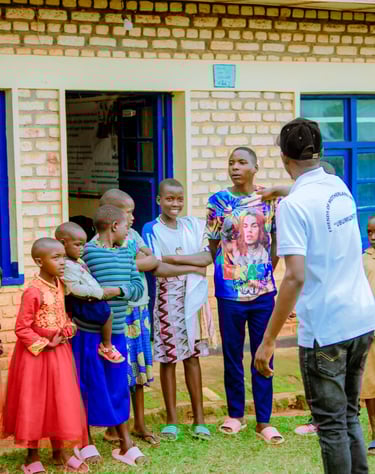
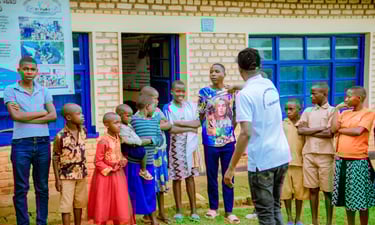
FMI-UBUMUNTU contribute to the increase of family income and improves the population’s health quality with a focus on children and their families, to empower children with basic needs, and rights protection through inclusive Education and advocacy.
FMI CONTRIBUTION
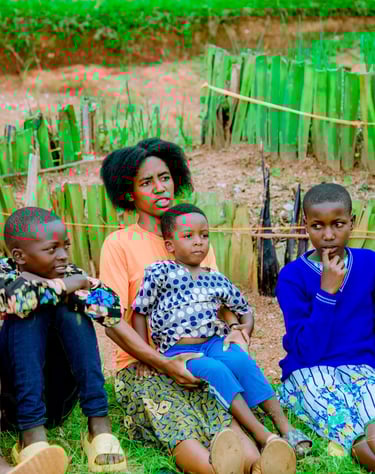
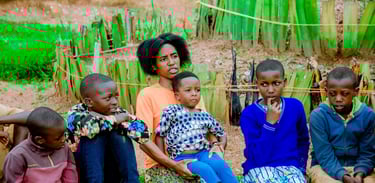
Vulnerable children(Disabled, street, from poor family and with disabilities) and their families.
Educational institutions (Primary and secondary schools).
Youth and teen mothers
FMI BENEFICIARIES
Who we are
Our Theory of Change
FMI "Ubumuntu" believes that sustainable community transformation happens when the interconnected barriers of poverty, educational exclusion, poor health, gender inequality, social exclusion, limited economic opportunities, and climate vulnerability are addressed together. Through our five core programs, Inclusive Education & Child Development; Health, Nutrition & Community Well-being; Gender Equality, Protection & Social Inclusion; Sustainable Livelihoods & Economic Empowerment; and Climate Resilience, Agroecology & Environmental Action, we strengthen the capabilities of children, youth, women, vulnerable households, and communities to overcome these barriers and lead their own development.
Across all programs, we work through community ownership, volunteerism, inclusion and safeguarding, partnerships, capacity building, advocacy, and evidence-based learning. By strengthening individuals alongside families, communities, and local systems, we contribute to inclusive, empowered, healthy, economically resilient, and climate-resilient communities where everyone has an equitable opportunity to thrive.
Results & Impact
Friends of Motherland Initiative "Ubumuntu" (FMI "Ubumuntu") measures success through sustainable changes in the lives of vulnerable people, families, and communities, not only through activities delivered. Through community-led, volunteer-supported, inclusive, and partnership-based programming, we seek five interconnected results:
1. Educated and Empowered Children & Youth: Vulnerable children and young people access inclusive quality education, improve learning, remain in school, develop life skills, and reach their potential.
2. Healthy and Protected Families: Children and families improve their health, nutrition, hygiene, well-being, and access to safe and protective environments.
3. Gender-Equal and Inclusive Communities: Women, girls, persons with disabilities, and marginalized groups exercise their rights, participate meaningfully, and access opportunities without discrimination.
4. Economically Resilient Households: Youth, women, and vulnerable families strengthen their skills, livelihoods, savings, entrepreneurship, and capacity for self-reliance.
5. Climate-Resilient Communities: Communities adopt agroecological, climate-resilient, and environmentally sustainable practices that strengthen food security, livelihoods, and ecosystem protection.
Long-Term Impact
Inclusive, empowered, healthy, economically resilient, and climate-resilient communities where children, youth, women, persons with disabilities, and other vulnerable people have equitable opportunities to learn, thrive, build sustainable livelihoods, and lead their own development.
“Love only grows by sharing. You can only have more for yourself by giving it away to others.”
― Brian Tracy
FMI "Ubumuntu"
info@friendsofmotherland.org
+250788479207
© Copyright 2024 FMI Ubumuntu - All Rights Reserved.